Applications for the September 2026 Qualifier are open. Apply by September 27, 2026. Apply now
Foundation Level

Introduction to C Programming

Code CS1101
Credits 4 Credits
Type Foundation
Prerequisites None
Core Competencies

What You'll Learn

View Course Videos
  • This course is intended as a practical introduction to C programming for electrical engineers. The focus is on gaining experience with writing and debugging programs. At the end of this course, a student should be able to:

  • write, compile and run programs in C

  • use debugging tools to find and correct errors in programs

  • use various constructs in C and the standard library of C to implement basic data structures and algorithms

  • understand the need for an OS and how programs interact with the system

12-Week Roadmap

Course Structure & Syllabus

For details of standard term assessment timelines and exam structures, visit our Academics page.

WEEK 1
How a Computer works, Generalized Memory and Computations, Split Memory Architecture, Loops, Conditions & Branches, Communication between Computer Memory and Outside World, What is Programming, Introduction to C Language
WEEK 2
Data Representation: Number Representation in a Computer, Negative Number and Hexadecimal Representation, Floating Point Representation, Character Representation and Encoding, Instructions Encoding, Compilation: Program Compilation, Role of Operating System in a Computer
WEEK 3
Introduction to C Programming: Structure of a C program, Variables in C, Operators in C, Expression
WEEK 4
Control Statement: Structured Programming, Introduction to Control Flow in C, Conditional statement: if-else-if, switch, Loops: for and while
Reading List

Prescribed Books & References

  • “The C programming language”, Kernighan and Ritchie
  • Online references
Faculty & Experts

About the Instructors

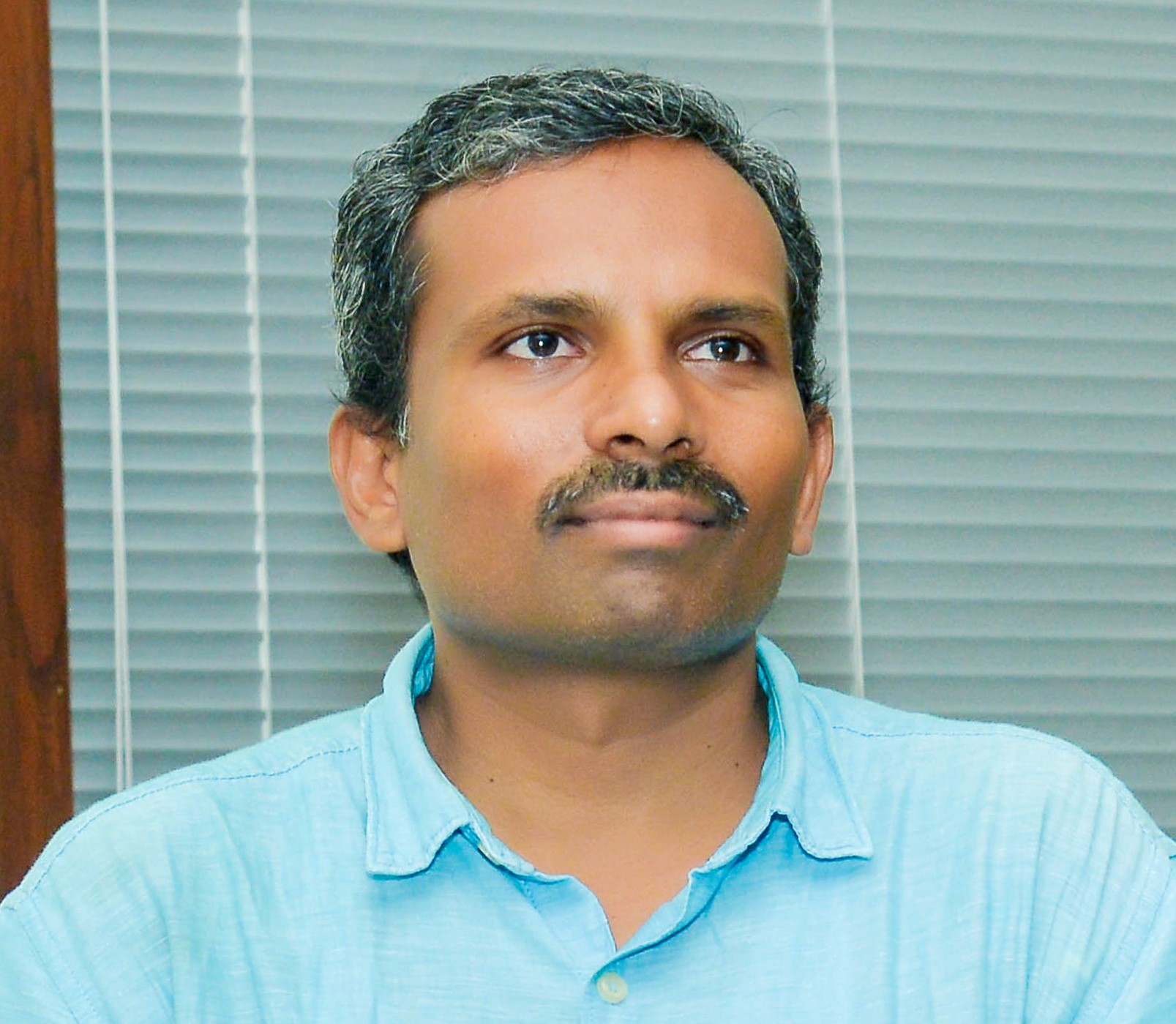
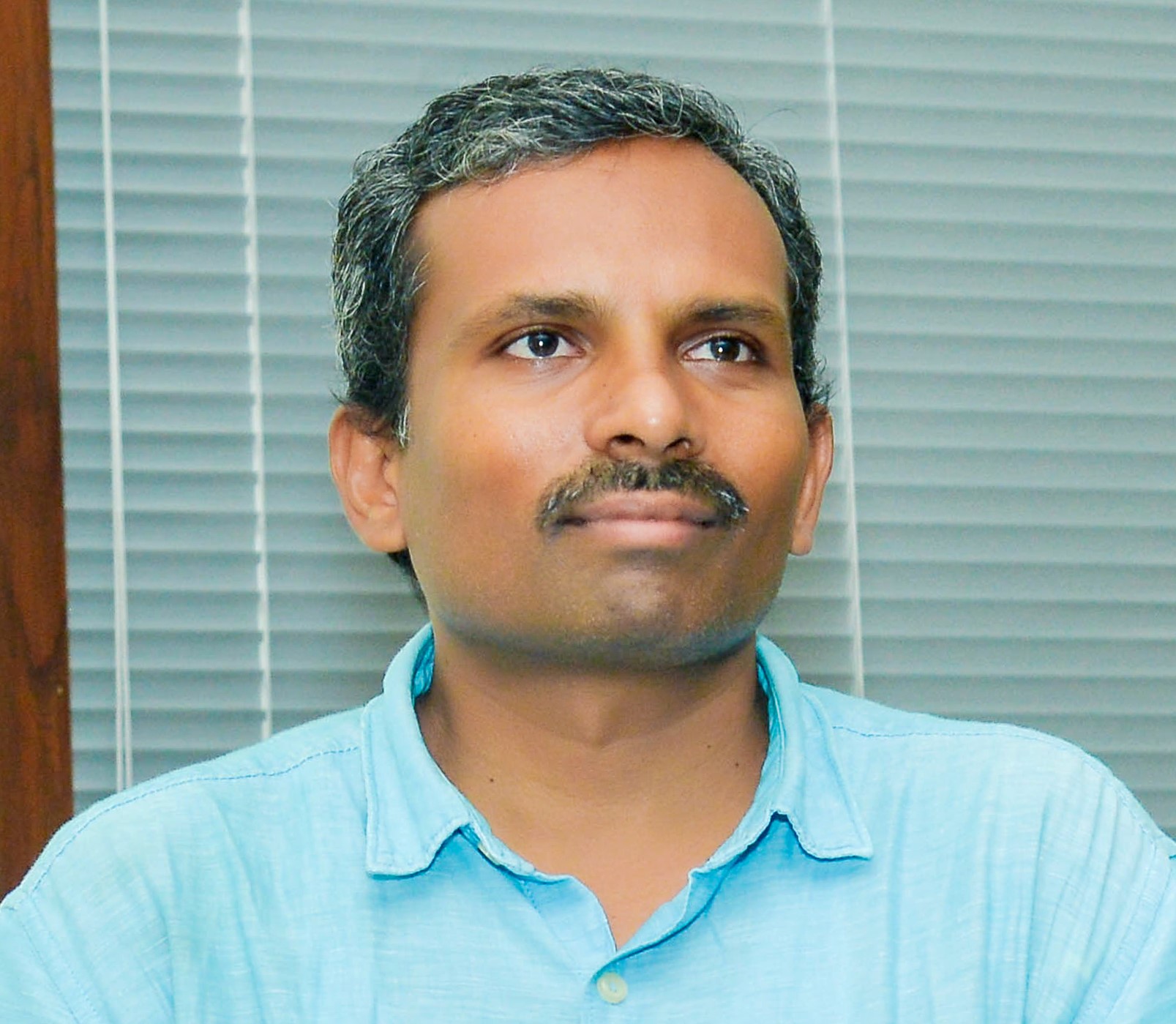
Prof. Nitin Chandrachoodan

Prof. Nitin Chandrachoodan

Professor , Department of Electrical Engineering , IIT Madras

Nitin Chandrachoodan received his BTech (electronics and communication engineering) from IIT Madras in 1996, and PhD from the University of Maryland at College Park in 2002, in the area of high-level synthesis techniques for mapping DSP algorithms to architectures. He has been with the department of electrical engineering at IIT Madras since 2004, where he is currently an professor.

His research interests include digital systems design and design automation tools and techniques, as well as design of embedded systems with a special focus on assistive technologies. He has taught graduate courses on digital integrated circuit design and on mapping algorithms to architectures, and a UG course on data structures and algorithms, as well as a laboratory course on digital design using FPGAs. He is an associate editor of the Springer Journal of Signal Processing Systems.