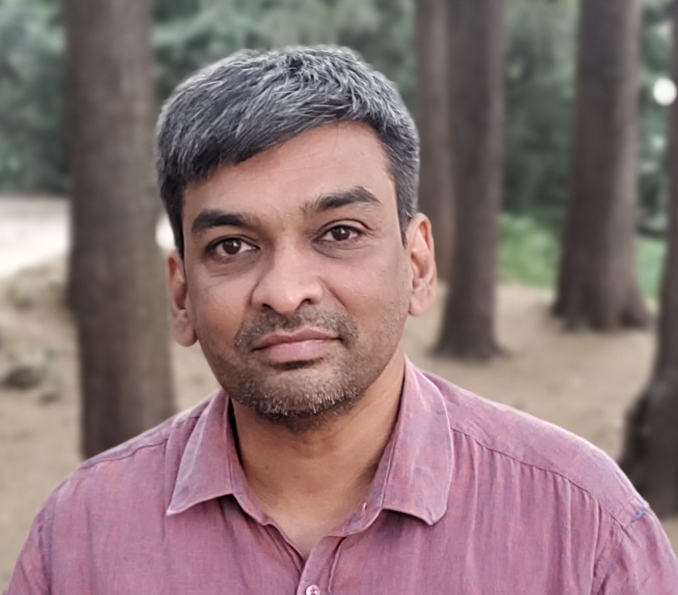
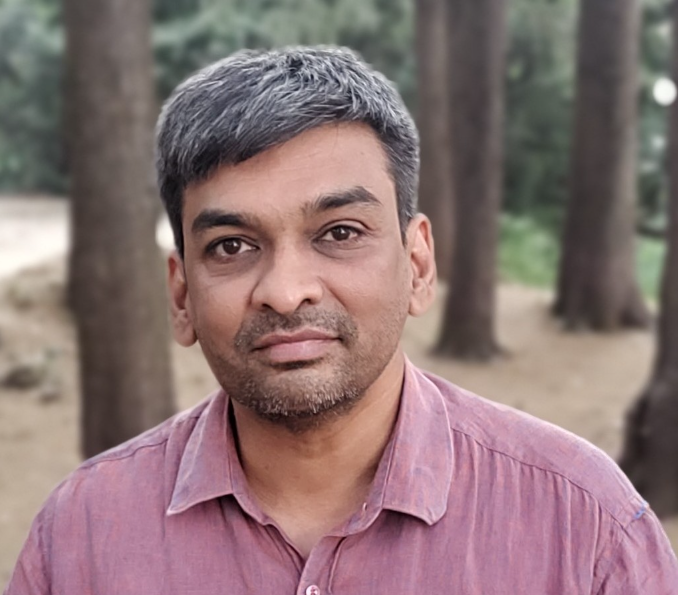
Prof. S Chandrasekhar
Professor , Indira Gandhi Institute of Development Research
S Chandrasekhar, an alumnus of Delhi School of Economics and Pennsylvania State University, is Professor at Indira Gandhi Institute of Development Research, Mumbai. He was awarded the Mahalanobis Memorial Medal 2016 by The Indian Econometric Society, for outstanding contributions to the field of quantitative economics. For his work on commuting behaviour of workers in India, he was awarded the Japanese Award for Outstanding Research on Development (First Prize) at the Global Development Awards and Medals Competition 2011. He has worked extensively on the issues of urbanisation, labour markets, internal migration and income inequality in India. He coordinated the research initiative, "Strengthen and Harmonize Research and Action on Migration in the Indian Context", which was supported by a grant from Tata Trusts. The project also coincided with the Government of India constituting the Working Group to Study the Impact of Migration on Housing, Infrastructure, and Livelihood, of which he was a member.
He has a keen interest in data standards and improving data quality. He has served on a variety of government advisory panels connected with key statistics, including the Standing Committee on Statistics, Ministry of Statistics and Programme Implemention and the All India Financial Inclusion Survey by NABARD. Presently, he is a member of the Steering Committee for the National Sample Surveys, under the aegis of the National Statistical Commission.